How Website Design Can Increase Lead Conversions for Syracuse Businesses
What makes a website convert better?
A website drives more action when it eliminates obstacles, addresses questions promptly, and leads users toward a specific next step. That is the core of conversion rate optimization: increasing the percentage of visitors who take action, whether that means making a call, filling out forms, booking an appointment, or requesting a quote. Strong web design reinforces this by strengthening user experience, reinforcing clarity, and making the path through the site feel natural.
Every page should serve the customer journey. If a visitor lands on your site with a specific need, the design should match that intent immediately. That means obvious headlines, concise microcopy, and a prominent call to action that makes the next step clear. When users do not have to dig for information, engagement rises and bounce rate usually drops.
Page speed also matters. Slow pages slow the experience before the visitor even reads your content. In a competitive market, even small delays can hurt trust and reduce lead generation. Fast-loading pages improve usability, support accessibility, and keep visitors moving through the conversion funnel.
Effective conversion-focused design is rarely about one big feature. It is about the total influence of:
- Direct messaging that supports intent matching
- Effective visual cues that improve scanability
- Simple navigation that reduces decision fatigue
- Fast performance across devices
- Relevant content that supports persuasion
How does web design influence first impressions?
Initial impressions form quickly. Before a visitor gets through a full paragraph, they notice the site’s layout, color harmony, spacing, and overall professionalism. That’s why visual hierarchy plays such a big role. It directs the eye where to look first, what to read next, and which action comes first. Clear hierarchy increases engagement because it reduces confusion and helps users process information quickly.
Brand trust is built through design consistency, thoughtful spacing, and a polished presentation. If a homepage looks outdated, inconsistent, or difficult to use, visitors may feel the business is less reliable. In contrast, a modern homepage design with clear sections, visible trust signals, and a focused message creates confidence from the start.
Mobile responsiveness is especially important because so many users browse on phones first. Responsive design ensures that text remains readable, buttons are easy to tap, and key content is not buried under awkward formatting. For Syracuse businesses, that matters whether someone is searching during a lunch break in downtown Syracuse, at home in Eastwood, or on the move near the https://auburn-ny-ec680.opalvector.com/posts/when-is-the-best-time-to-visit-auburn-ny University Hill area.
Initial impressions also affect how visitors interpret content relevance. If the homepage instantly reflects the service they are seeking, the experience feels personalized and professional. That is the kind of usability that supports conversion rate optimization without making the site feel aggressive.
Which layout elements generate higher leads?
Certain design features are highly effective at transforming visitors into leads. Of the top are landing pages, navigation, forms, and social proof. Every one has a different role in assisting users feel informed, confident, and willing to act.
Landing pages perform best when they center on one offer, one target group, and one goal. That focus cuts down on resistance and maintains the message in line with the visitor’s search intent. A focused landing page can increase lead generation by removing unnecessary elements and offering a clear path to conversion.
Navigation should be straightforward and easy to follow. If users cannot quickly find services, pricing, service areas, or ways to get in touch, they may exit before taking action. Intuitive navigation improves usability and helps visitors browse the site with confidence.
Form fields should be brief, quick to finish, and aligned with the user’s stage in the customer journey. Collecting for too many information at the start can create friction. Better forms use succinct fields, clear labels, and supportive microcopy that explains why the information is needed.
Social proof acts as another strong conversion factor. Ratings, testimonials, success stories, and recognizable client logos all function as trust signals. They minimize uncertainty and build brand trust, especially when a visitor is weighing multiple providers. For service businesses in Central New York, social proof can be the difference between a bounce and a submitted inquiry.
Well-designed lead systems also support persuasion by making sure the next action feel safe. That may include visible phone numbers, strategically placed calls to action, and landing pages focused on common objections. In combination, these elements build a more powerful conversion funnel.
How do SEO services support conversion-focused design?
SEO services and conversion-focused web design are most effective together. SEO helps bring in the right traffic, while design helps turn that traffic into action. If your site attracts visitors who do not match your offer, conversions suffer no matter how polished the design looks. For that reason search intent matters so much. The better the match, the better the results.
When SEO services are aligned with design, the site can better match the words people use and the results they expect. Keyword optimization helps content align the same language as the searcher, while the design structure makes the content easy to scan and understand. This combination supports intent matching and improves the likelihood that users will stay, read, and convert. A clear layout also improves the browsing experience.
Local SEO is especially valuable for businesses that serve a defined region. Many Syracuse businesses rely on local search visibility to reach customers across Onondaga County and the greater Upstate New York area. When a page is designed to support local SEO, it can include location-specific service information, neighborhood references, and contact details that make the site more relevant to local buyers. That local detail can increase confidence.
This is where content relevance and design come together. A page built for search should not feel like a keyword dump. Instead, it should present useful information in a layout that supports scanability, accessibility, and performance. That approach lowers bounce rate and strengthens the conversion funnel. Helpful content paired with thoughtful layout keeps users engaged.
SEO services also help prioritize the right pages. Not every page on a site should have the same goal. Some pages should educate, some should compare, and some should drive direct action. Smart SEO and web design work together to guide users naturally toward the right landing pages. Such structure can streamline decision-making.
Why should Syracuse businesses focus on local relevance?
Syracuse, NY is a major hub for Central New York businesses and service-area competition. That means your website is not just competing on design quality; it is competing on relevance, trust, and local understanding. Businesses that address the local market often receive more attention because they appear more familiar and more credible.
Area-specific resonance matters because customers want to know that you know their area, their timeline, and their priorities. A company serving downtown Syracuse may need a varied pitch than one focused on suburban homeowners or businesses near Eastwood or the University Hill area. That is why location pages can be so effective. They let you develop location-specific content for several communities while maintaining a consistent brand experience.
For lots of visitors, trust begins with local cues. Mentioning familiar neighborhoods, local landmarks, and regional service coverage can reinforce community trust. It assists customers feel that your business is part of their environment, not just another ordinary option.
The season also plays a role in behavior. In Syracuse, winter weather can change how and when people browse, weigh options, and purchase. During colder months, visitors may spend more time looking online before deciding to call, schedule, or request service. That makes mobile responsiveness, page speed, and clear calls to action even more important because users may be browsing from home, on the go, or while handling weather-related needs.
When website design mirrors the regional market, it becomes simpler to build trust and boost conversion rate optimization. Regional relevance is not just a marketing choice; it is part of a high-performing online strategy.
Which role do digital marketing and AI experts play?
Digital marketing links web design to larger demand generation. An effective site is more successful when it is backed by campaigns that bring the correct audience to the right page at the right time. That includes paid media, email, content strategy, and retargeting efforts that guide prospects through the conversion funnel.
AI experts provide another layer of advantage by helping businesses analyze behavior patterns and personalize experiences. With the proper setup, AI can support content recommendations, dynamic messaging, and smarter segmentation. That makes it easier to send the right message based on where someone is in the customer journey.
Analytics is the link between strategy and results. When digital marketing teams review analytics, they can see which pages attract traffic, where visitors drop off, and which calls to action produce the most engagement. AI experts can help interpret those patterns using behavior analytics and then recommend design changes that improve usability and conversions.
Personalization is especially powerful when it feels helpful rather than intrusive. For example, a website might show different service highlights based on traffic source, location, or previous interactions. That kind of optimization can improve content relevance, increase trust signals, and reduce friction.
For Syracuse businesses, the strongest results often come from combining web design, SEO services, and digital marketing into one coordinated system. A site that looks good but lacks strategy will underperform. A data-driven site supported by AI experts can evolve with user behavior and changing market demand.
What are the top conversion-draining design mistakes?
Many of the most frequent conversion barriers are easy to overlook because they happen gradually. Among the biggest issues are slow load times, cluttered layouts, weak CTAs, and poor mobile UX. Each one creates friction and makes site harder to use.
Slow load times drive away visitors before they even reach the message. Performance matters because users expect pages to respond fast, especially on mobile devices. If pages load slowly, many visitors will leave rather than wait.
Cluttered layouts create confusion. When a page has too many competing messages, too many images, or too much text without structure, users struggle to identify the next step. This reduces scanability and lowers the chance of conversion.
Weak CTAs don’t prompt action. A call to action should be prominent, specific, and aligned with the page’s purpose. Generic phrases and hidden buttons weaken persuasion and leave users unsure what to do next.
Poor mobile UX is one of the quickest ways to lose leads. Tiny text, crowded buttons, broken layouts, and difficult forms all add needless friction. Because mobile responsiveness is now a basic expectation, mobile issues can quickly damage brand trust.
Other issues can also hurt results, including inconsistent navigation, missing social proof, and unclear service descriptions. If users cannot find answers quickly, the bounce rate rises and engagement falls. The fix usually involves making simpler the experience and focusing on the customer journey from first click to final action.
How can you evaluate and boost conversions over time?
Improving conversions is not a one-time project. It is an ongoing process of experimenting, tracking, and adjusting. The most effective methods include A/B testing, heatmaps, conversion tracking, and ongoing review of analytics. These tools demonstrate how real users interact with your site so you can make better design decisions.
A/B testing helps you compare two versions of a page element, such as a headline, button color, form length, or layout. Small changes can have a major impact on performance when they affect clarity or reduce friction. The goal is to see which version produces more user response and lead generation.
Heatmaps illustrate where visitors click, scroll, and pause. They help reveal whether users notice the call to action, whether they get stuck in the navigation, and how far they read before leaving. This is important behavior analytics that can guide prioritization.
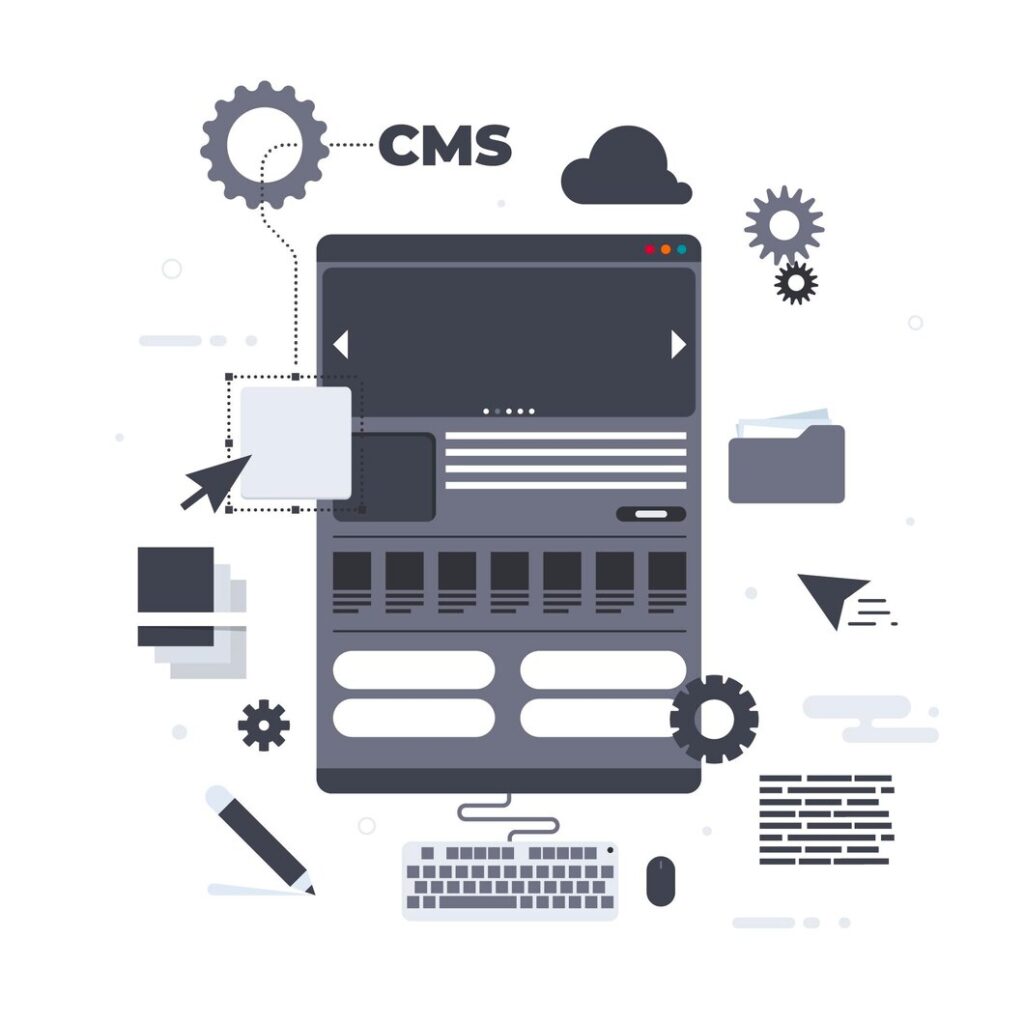
Conversion tracking is crucial because it connects design changes to business outcomes. If you do not track form submissions, calls, quote requests, and other goal completions, it is hard to know what is actually working. Tracking helps teams see the conversion funnel and spot patterns over time.
Data insights should be reviewed regularly, not just after a campaign launches. By combining data with user feedback and iterative optimization, businesses can improve both usability and performance. Over time, that creates a better website experience that supports conversion rate optimization across every stage of the customer journey.
For Syracuse businesses, ongoing testing is especially useful because local demand can shift by season, neighborhood, or service category. A page that performs well in one month may need adjustments later as search intent changes. Testing helps ensure the site stays aligned with buyer behavior in Syracuse, NY, and across Upstate New York.
FAQ
How exactly does web design impact conversion rates?
Web design influences conversion rates by forming user experience, clarity, and trust. When a site has strong visual hierarchy, mobile responsiveness, clear navigation, and a compelling call to action, visitors can move through the customer journey with minimal friction. That usually boosts engagement and increases the chance that users will complete forms, request information, or make contact.
What website elements increase leads the most?
The elements that often increase leads most effectively are targeted landing pages, simple forms, strong social proof, and clear navigation. A visible call to action also counts because it tells visitors exactly what to do next. When these elements are supported by page speed, trust signals, and good content relevance, they can greatly improve lead generation.
Sunstone Digital Tech201 E Jefferson St, Syracuse, NY 13202
(315) 758-3349
https://maps.app.goo.gl/LNcnKZaUXSqxHPoT8
https://sunstonedigitaltech.com/
43.0471862, -76.1504376
Can SEO services improve website conversions too?
Yes. SEO services can improve conversions by bringing in traffic with stronger search intent and better keyword optimization. When pages are matched to what users actually want, the site attracts more qualified visitors. Combined with conversion-focused web design, SEO can improve the quality of traffic and the likelihood that users convert.
Why is mobile-friendly web design matter for Syracuse businesses?
Mobile-friendly web design is important because many local customers browse from phones while comparing businesses in real time. For Syracuse businesses, mobile responsiveness matters even more during winter weather and busy seasonal periods when people may be researching from home or on the move. A responsive site improves usability, supports accessibility, and reduces friction for local buyers.
How do you know if your website design is hurting conversions?
Signs of poor conversion performance include high bounce rate, low form submissions, weak engagement, and visitors dropping off before reaching the call to action. Heatmaps, conversion tracking, and analytics can show where users lose interest or get stuck. If the site has slow load times, cluttered layouts, weak CTAs, or poor mobile UX, design may be part of the problem.